


1. Sodium Carboxymethyl Cellulose(CMC) for Battery Industry
Sodium Carboxymethyl Cellulose is widely used in battery-making field.

2. Commodity Name: Sodium Carboxymethyl cellulose
Types
Specification B1 B2 B3 B11 B12 B13
Appearance White or Yellowish Powder
D.S 0.65-0.85 ≥0.9
Viscosity (mPa.s) 300-800 800-1200 ≥1200 300-800 800-1200 ≥1200
1% solution testing
PH (25°C) 6.5-8.5
Moisture(%) ≤7.0
Purity(%) ≥99.0
Particle size (Sieving) Not less than 98% ( pass through 80 mesh )
CAS No.: 【9004-32-4】
E No.: 【E466】
Molecular formula :[C6H7O2(OH)2OCH2COONa]n
Synonyms: Carboxymethyl Cellulose, Carboxy Methyl Cellulose, CMC, Sodium CMC, Na-CMC
HS Code: 39123100
3. Description
Sodium Carboxymethyl Cellulose is a cellulose derivative with carboxymethyl groups bound to some of the hydroxyl groups of the glucopyranose monomers that make up the cellulose backbone. It is often used as its sodium salt, sodium carboxymethyl cellulose.
4. Products
1) Ultra-low viscosity dispersant
Recommended model: FH6-1
Viscosity range: 10-50
DS value: 0.65-0.85
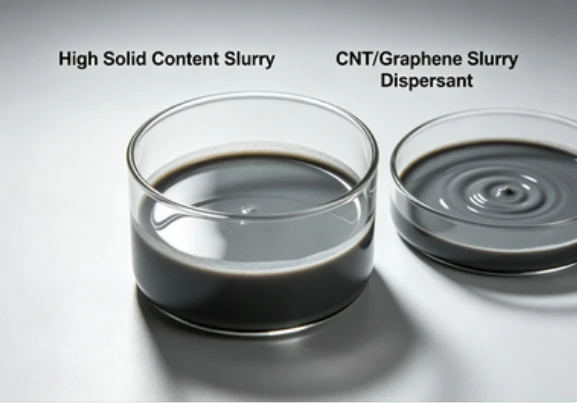
Key features: Extremely low molecular weight, enabling rapid penetration and encapsulation of conductive agents (SP, CNT) and active substances for efficient dispersion with minimal viscosity contribution
Typical applications: High solid content slurry pre-dispersion: Solves conductive agent agglomeration issues; CNT/graphene slurry dispersion aid: Assists in uniform dispersion of nanomaterials
2) Low viscosity dispersion
Recommended Model: FH6-2
Viscosity Range: 50-100
DS Value: 0.65-0.85
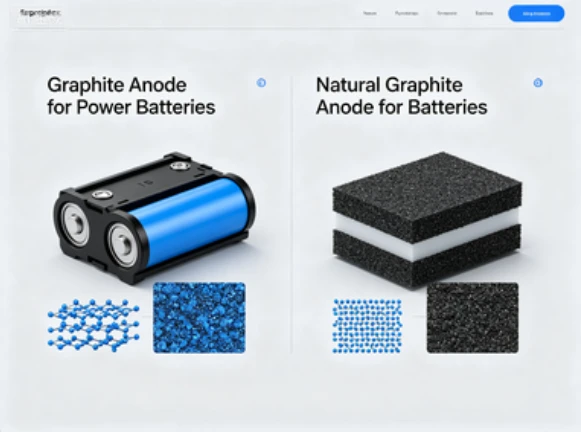
Key Features: Provides basic dispersion capability with minimal thickening effect, ensuring excellent slurry fluidity. Ideal for high-speed coating applications
Typical Applications: Power battery graphite anodes: Suitable for high-solid-content, high-speed coating production lines; Natural graphite anodes: Meets dispersion requirements for natural graphite
3) Low viscosity general-purpose
Recommended model: FVH6-1
Viscosity range: 100-500
DS Value: 0.65-0.85
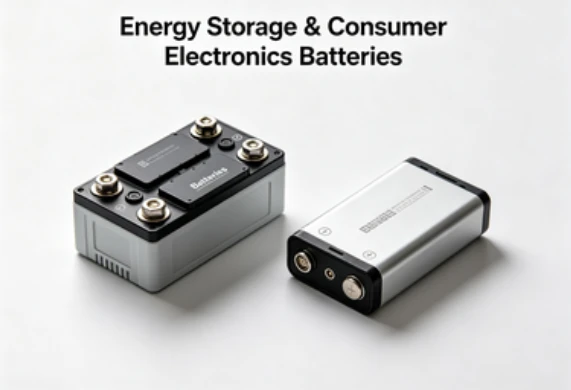
Key features: Balanced dispersion and thickening properties, high cost-effectiveness, suitable for conventional energy storage and consumer battery applications
Typical applications: Energy storage batteries: Cost-sensitive long-life energy storage applications; Consumer electronics batteries: Batteries for mobile phones and laptops
4) Medium to Low Viscosity Standard Type
Recommended model: FVH6-2
Viscosity range: 500-800
DS value: 0.65-0.85
Key features: Provides excellent dispersion and base thickening, ensures slurry stability, and is suitable for various graphite anode systems
Typical applications: Artificial graphite anodes: Universal artificial graphite anode formulation; Mixed anodes: Graphite + small amount of silicon oxide hybrid system

5) Medium viscosity general type
Recommended Model: FVH6-3
Viscosity Range: 800-1,200
DS Value: 0.65-0.85
Key Features: Exceptional comprehensive performance with dual dispersing and thickening capabilities, along with basic adhesion properties, making it the most versatile solution
Typical Applications: Mainstream Power Batteries: Graphite anodes for electric vehicles; High-Energy-Density Graphite Anodes: Systems requiring high compaction density

6) Medium viscosity thickener
Recommended model: FVH6-4
Viscosity range: 1,200-1,800
DS value: 0.65-0.85
Key features: Enhanced thickening capability for improved slurry stability and anti-settling performance
Typical applications: Thick electrode coating (>100μm): Prevents slurry settling and ensures uniform coating; High-viscosity slurry systems: Requires special formulations with high viscosity

7) Medium to high viscosity, binder-reinforced
Recommended model: FVH6-5
Viscosity range: 1,800-2,500
DS Value: 0.65-0.85
Key features: Extended molecular chains synergize with SBR to deliver superior electrode sheet peeling strength
Typical applications: High-rate batteries: Fast-charging batteries requiring robust electrode strength; Cylindrical batteries: High-performance electrode strength for winding processes

8) High viscosity structural stability type
Recommended model: FVH6-6
Viscosity range: 2,500-3,500
DS value: 0.65-0.85
Key features: Forms a robust three-dimensional network structure with low swelling in electrolytes, maintaining stable electrode structure
Typical applications: Long-cycle life batteries: Energy storage, electric vehicles with long-life requirements; High-temperature aging batteries: Systems requiring high thermal storage performance

9) High viscosity electrode sheet reinforced
Recommended Model: FVH6-7
Viscosity Range: 3,500-4,500
DS Value: 0.65-0.85
Key Features: Provides exceptional electrode sheet peeling strength, effectively inhibiting electrode expansion and powder shedding during cycling
Typical Applications: High-Voltage Systems: High-voltage lithium cobalt oxide and ternary materials for anode applications; High-Density Anodes: Maintains excellent adhesion after compaction

10) Ultra-high viscosity special type
Recommended model: FVH6-8
Viscosity range: 4,500-5,500
DS value: 0.65-0.85
Key features: Achieves ultra-high viscosity at minimal dosage, ideal for high-performance systems sensitive to additive levels
Typical applications: Ultra-thin electrodes: Requires minimal CMC dosage while maintaining slurry stability; Special batteries: For specialized fields such as military and aerospace

11) High viscosity special type
Recommended model: FVH6-9
Viscosity range: 5,500-6,500
DS value: 0.65-0.85
Key features: Forms a highly robust gel network. When combined with high-silicon materials, it effectively prevents electrode damage caused by volume expansion
Typical application scenarios: High-silicon anode (Si>10%) – Addresses significant volume expansion of silicon materials

12) Silicon-based anode dedicated
Recommended model: FVH6-10
Viscosity range: 6,500-8,000+
DS value: 0.65-0.85
Key characteristics: Extremely high molecular weight, forming a tough coating layer on the surface of silicon particles to buffer volume changes and maintain electrode integrity
Typical application scenarios: Silicon oxide anode (SiOₓ): A new generation of high-energy-density anode materials; Nano-silicon anode: Cutting-edge research on pure silicon anodes

13) High substitution low viscosity fast dispersible type
Recommended model: FVH9-1
Viscosity range: 500-800
DS value: ≥0.90
Key features: The high DS value enhances solubility and dispersion efficiency while reducing side reactions with electrolytes
Typical applications: High-rate fast-charging batteries: Requires rapid lithium-ion transport channels; Batteries with high low-temperature performance requirements: Improves low-temperature discharge performance

14) Medium viscosity general-purpose high-substitution
Recommended model: FVH9-2
Viscosity range: 800-1,200
DS value: ≥0.90
Key features: Low swelling in electrolytes, long-term structural stability of electrodes, and enhanced cycle life
Typical applications: High-end power batteries: Electric vehicles with stringent cycle life requirements; Long-life energy storage systems: Energy storage stations requiring over 10 years of service life

15) Highly viscous medium high degree of substitution
Recommended Model: FVH9-3
Viscosity Range: 1,200-1,800
DS Value: ≥0.90
Key Features: Optimized molecular structure with excellent processability and superior electrochemical stability
Typical Applications: High-voltage systems (anode compatible with 4.5V+) Solid-state battery anode (compatible with solid electrolyte systems)

16) High degree of substitution, high viscosity, stable type
Recommended model: FVH9-4
Viscosity range: 1,800-2,500
DS value: ≥0.90
Key features: High DS value + high viscosity, maintaining electrode integrity under extreme conditions (high temperature, high voltage)
Typical applications: High-temperature batteries: Operating environment above 60°C; Fast-charging long-life batteries: Balancing fast charging and long cycle life

17) Highly Replacing Ultra-High Viscosity Silicon Negative Electrode
Recommended Model: FVH9-5
Viscosity Range: 2,500-3,500
DS Value: ≥0.90
Key Features: Engineered for high-silicon anodes, delivering exceptional adhesion and cushioning performance
Typical Applications: High-silicon anodes (Si>20%) – Next-generation high-energy-density batteries; Solid-state battery anodes – Compatible with solid electrolyte systems

5. Properties
A, our battery grade CMC has good compatiblity,which can be mixed with various metal powder.
|
Types
|
B1 | B2 | B3 | B11 | B12 | B13 |
| Appearance | White or Yellowish Powder | |||||
| D.S | 0.65-0.85 | ≥0.9 | ||||
| Viscosity (mPa.s) | 300-800 | 800-1200 | ≥1200 | 300-800 | 800-1200 | ≥1200 |
| 1% solution testing | ||||||
| PH (25°C) | 6.5-8.5 | |||||
| Moisture(%) | ≤7.0 | |||||
| Purity(%) | ≥99.0 | |||||
| Particle size (Sieving) | Not less than 98% ( pass through 80 mesh ) | |||||
B, it can improve the voltage of battery,and reduce essential resistance .
C, it offer stable viscosity and adhesive force .
6. Characteristics
A, excellent hydrophilicity .
B, stable viscosity, high adhesive force .
C, good transparency and fluidity of aqueous solution .
D, low metal content .
7. Package
Packing:25kg kraft paper bag, or other packing as clients request.
8. Storage
A.Store in a cool, dry, clean, ventilated environment.
B. Since the date of production, a preservation period should not exceed 4 years for the industrial product and 2 year for the product for pharmaceutical and food grade.
C. The products should be prevented from water and package bag damaging during transportation.
We can produce battery grade Sodium Carboxymethyl Cellulose with high purity, very high viscosity according to the customer's requirements
8. Certificate for Kosher, HALAL, ISO9001, ISO14001 and so on.

We can provide detailed test indicators for each product model. If you need this, please contact us!
Hot Tags: China battery grade CMC manufacturer, battery grade CMC factory, cheap battery grade CMC, high-purity battery grade CMC, food-grade battery grade CMC, battery CMC, CMC battery grade, cmc coating properties, ceramic grade cmc, cmc contractions, chemical suppliers, environmentally friendly chemicals, dispersing agent