

Xanthan gum is a polysaccharide with many industrial uses, including as a common food additive. It is an effective thickening agent and stabilizer that prevents ingredients from separating. It can be produced from simple sugars by fermentation and derives its name from the species of bacteria used, xanthomonas campestris. It's these properties that make xanthan gum useful in food production most notably in gluten-free baking, where it helps starches combine and improves the texture, rise and shelf-life of gluten-free bakes.
Advantages of Xanthan Gum
Improves texture and consistency
Xanthan gum is used in tons of food and drink products to improve taste, texture, and consistency. It can help give gluten-free baked goods (like breads) a springy texture and keep ice cream smooth and thick.
Helps make food safer to swallow
Some people have difficulty swallowing foods and drinks. (This can happen if you’ve had a stroke or if you develop multiple sclerosis.) Xanthan gum can help thicken foods and drinks so you’re less likely to aspirate (accidentally inhale food or a drink into your lungs).
Stabilizing blood sugar levels
Adding xanthan gum to carbohydrate-rich meals can help prevent insulin and blood sugar spikes. Researchers believe its ability to mix with the food we eat and form a gel-like substance may also slow digestion and prevent sharp spikes in blood sugar after meals.
Reducing cholesterol levels
Large doses of xanthan gum can promote subsequent cholesterol lowering by an average of 10%. Although we don't recommend supplementing for this benefit, as a food additive it can help increase your total soluble fiber intake, which can also help moderately improve cholesterol levels.
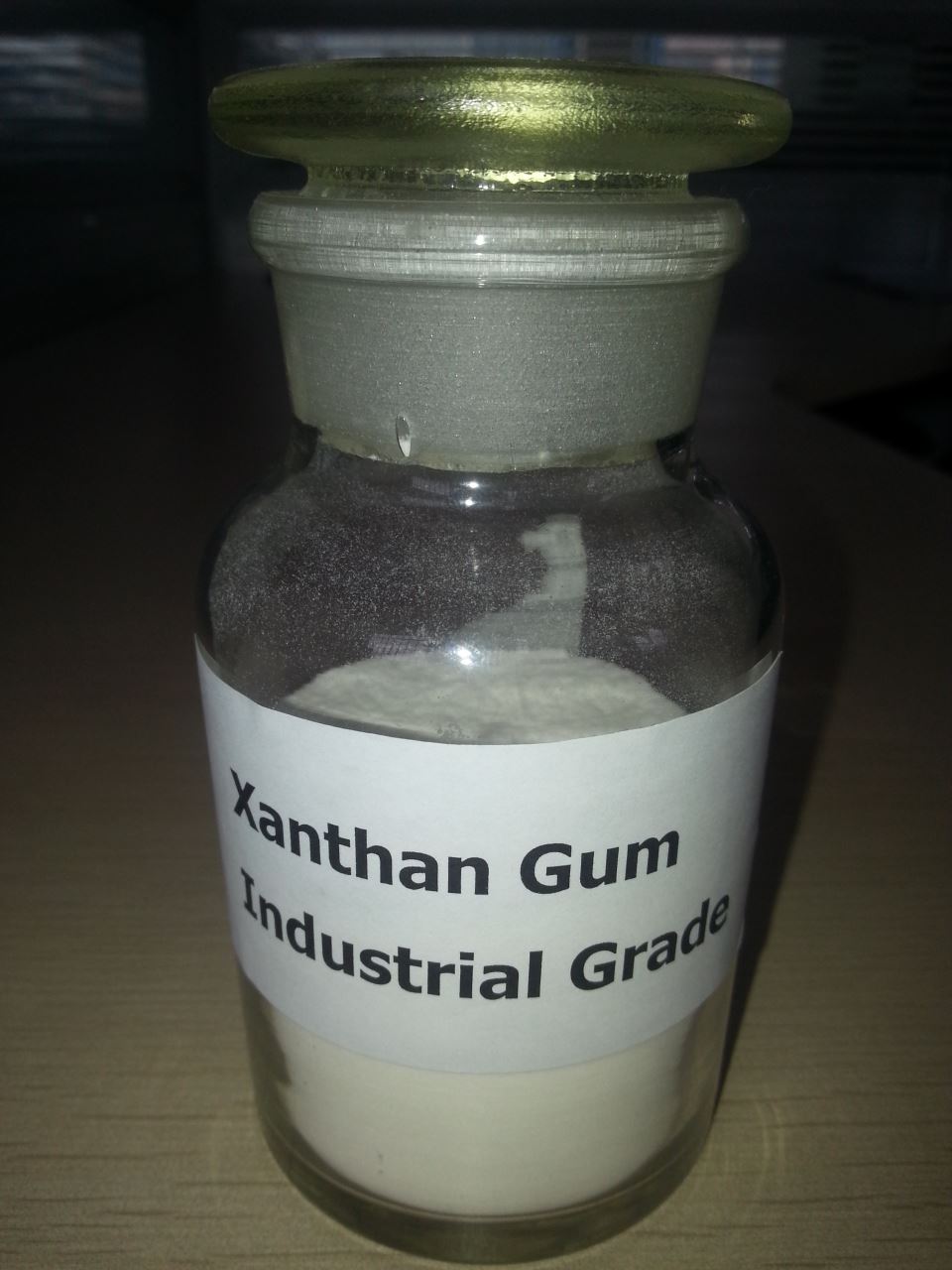
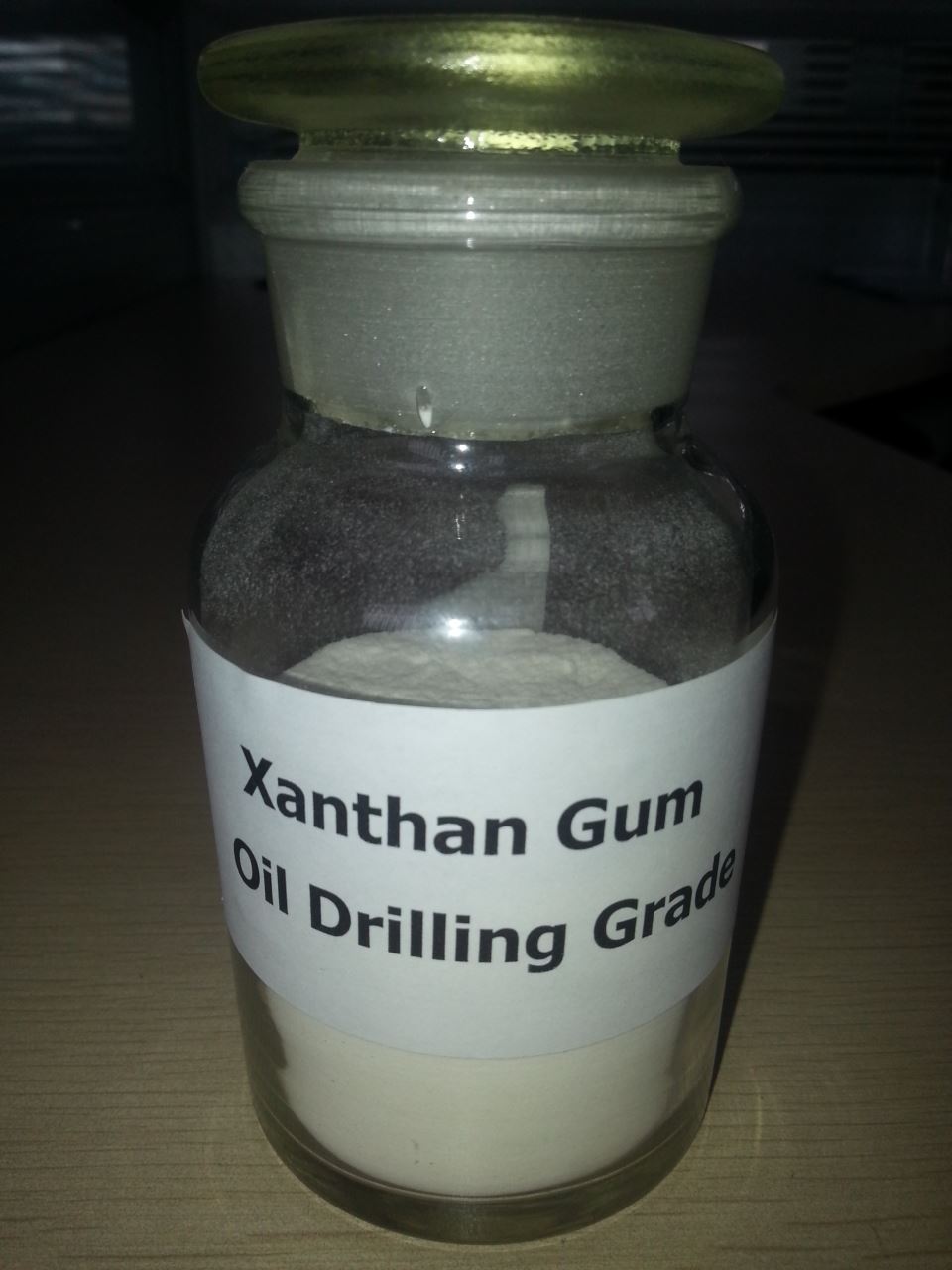
Why Choose Us
Complete process system
Guoyu company's existing domestic leading CMC production lines, annual output of 15,000MT.
Advanced production technology
Guoyu company established in 1984, invested a lot of manpower and financial resources to introduce advanced production technology, upgrade equipped with professional laboratories and advanced testing equipment.
After-sales service
We will provide both old and new customers with quality products, reasonable prices and first-rate after-sales service as before.
Global expertise
A perfect blend of global experience andexpertise to further our focus on technology.
First, if you are assembling a recipe with a gluten-free flour blend, check the blend ingredients to make sure the list does not already include xanthan gum, as many of them do. If the blend does not call for it, or if you are using a recipe that calls only for almond flour, for instance, or attempting to convert a recipe calling for wheat flour, to a gluten-free one, a safe bet is about 1/4 to 1/2 teaspoon of xanthan gum per 1 cup of flour. You may need more for yeasted breads but figuring out the amount that works best is going to take some experimenting, and it is best the first time to start with a small amount and to increase the amount if necessary the next time.

As a thickener, stabiliser, and emulsifier, xanthan gum is essential in many skincare products. It is commonly used to improve the texture, consistency, and overall performance of formulations such as creams, lotions, serums, and gels. Xanthan gum, as a thickener, can help give products a smooth, creamy texture and keep them from separating or settling over time. It can also help improve product spreadability, making it easier to apply and absorb into the skin. When products are exposed to heat, light, or air, xanthan gum acts as a stabiliser to stop product deterioration or potency loss. It can also help products last longer by inhibiting the growth of bacteria and other microorganisms. As an emulsifier, xanthan gum can aid in the combination of oil and water-based ingredients in formulations, resulting in stable, homogeneous products that are easy to apply and distribute evenly.
What is The PH Value of Xanthan Gum?
The pH range of 6 to 8 is where xanthan gum performs at its best. Xanthan gum may not function as well or may become unstable if the pH of a formulation is either too low or too high. In general, it's wise to stay away from using xanthan gum in formulations with a pH of either 4 or 10.
Xanthan gum is easily soluble in cold and hot water. The solution is neutral, resistant to freezing and thawing, and insoluble in ethanol. Disperse and emulsify in water to become a stable hydrophilic viscous colloid. The wide range of functions and stable performance enables it to be used in many industries and have perfect effects.
Xanthan gum ingredient is a 2:2:1 polysaccharide polymer compound composed of D-glucose, D-mannose and D-glucuronic acid, with a relative molecular mass of more than 1 million. The secondary structure of the xanthan gum component is that the side chain is wound in the opposite direction around the backbone of the main chain, which is maintained by hydrogen bonds to form a rod-like double helix structure.

Xanthan gum components are completely dissolved in most water-based systems. Still, because of its strong hydrophilicity, if it is directly added to water and the stirring is insufficient, the outer layer will absorb water and expand into micelles, thereby preventing water from entering the inside. Layer, and then affect the play of the role, so we must pay attention to the correct use.
Generally, xanthan gum ingredients can dissolve in cold water, hot water is also good, but after heating to 90 degrees, it will significantly reduce the viscosity of the xanthan gum components. Therefore, before using xanthan gum products, you should have a good understanding of its usage and dosage, and at the same time, correctly master its dissolution method so that it can be used and played better.
What is The Melting Point of Xanthan Gum?
The melting point of xanthan gum refers to the temperature at which xanthan gum changes from solid to liquid under the action of external heating. The melting point of xanthan gum is typically around 85°C in aqueous solutions, while in sugar solutions the melting point drops to about 65°C.
Application of Xanthan Gum
Food industry
Xanthan gum is widely used in the food industry as a thickening and emulsifying agent. It is commonly used in salad dressings, sauces, and gravies to give them a creamy texture and to prevent separation.
Personal care and cosmetics
Xanthan gum is also used in a variety of personal care and cosmetic products because of its ability to hold ingredients together and improve the texture of products. It is commonly used in lotions, creams, and shampoos to provide a creamy and smooth consistency.
Pharmaceutical industry
Xanthan gum is also used in the pharmaceutical industry as a thickener and suspending agent for liquid drugs. It can help improve the texture and consistency of liquid drugs, making them easier to swallow. It is also used to help prevent ingredients from settling to the bottom of the bottle, ensuring that patients receive a consistent dose of medication each time it is used.
Oil and gas industry
Xanthan gum has a unique property that allows it to thicken liquids, even in the presence of other substances that would normally prevent thickening. This property makes it an ideal ingredient for the oil and gas industry. In this industry, xanthan gum is used to increase the viscosity of drilling fluids, making them more effective at removing drill cuttings and preventing formation damage.
If you have a severe allergy to dairy, wheat, corn, or soy, you may want to avoid xanthan gum as it can potentially be made with sugar derived from any of these sources. If you're concerned about allergies or other reactions to food additives, it may also be best to look for items that don't contain xanthan gum.

How to Distinguish The Deterioration of Xanthan Gum?
If xanthan gum does go bad, it can be identified by its grayish color and gritty texture. If you encounter xanthan gum that is in this condition, it should generally not be used as it will not produce the desired effect. To ensure xanthan gum stays fresh and effective for long periods of time, t is important to use the product within a reasonable period of time and buy ingredients that meet the demand, without overstocking.
To protect xanthan gum from going bad, it should be stored in an air-tight container away from any heat sources and direct sunlight.It's important to store it in a cool, dry place away from direct sunlight. The ideal storage temperature for xanthan gum is between 68°F and 77°F (20°C and 25°C). If xanthan gum is exposed to too much heat or light, it will start to break down and become less effective over time. Additionally, xanthan gum should not be stored for long periods; using up the product within 6 months is recommended for optimal quality and production results. Another way to prevent xanthan gum from deteriorating is to use it in small quantities. Xanthan gum is highly concentrated, and a little goes a long way.
Certifications


Video
Our Factory
Our company is an enterprise in the integration of scientific research, production, testing and sales, who has passed ISO9001, ISO14001, ISO22000 and SGS Halal and Kosher certificate and other international certification system. My company has a set of testing equipments, a sound testing laboratories, microbial culture laboratory, the value of millions of ICP trace elements detection equipment readily available.


FAQ
Changzhou Guoyu Environmental S&T Co.,Ltd is a China xanthan gum manufacturer, we have our own xanthan gum factory, which can serve you high-purity and food-grade xanthan gum, gum xanthan at cheap price. Welcome to contact us.
XANTHAN, cheap industrial grade xanthan gum, food grade oil drilling grade xanthan gum , xanthan gum , gum xanthan , China xanthan gum , cheap xanthan gum , cheap gum xanthan