

Building grade hydroxypropyl methyl cellulose (HPMC) is a type of cellulose ether that is commonly used in the construction industry as a versatile additive in various building materials, such as cement-based mortars, tile adhesives, plaster, stucco, and self-leveling compounds. HPMC is a synthetic polymer derived from cellulose, a natural polymer found in plants. It is chemically modified to provide specific properties beneficial for construction applications.
Advantages of Building Grade HPMC
Improved workability
It enhances the workability and ease of application of construction products, making them easier to spread and shape. It helps reduce the shrinkage of construction materials during curing, preventing the development of cracks.
Enhanced flexibility
In cement-based products, HPMC can increase flexibility, making them more resistant to cracking and improving durability. HPMC can influence the setting time of cement-based materials, allowing for adjustments to match specific project requirements.
Resistance to water and temperature
HPMC for buiding material is typically resistant to water and can maintain its properties under a range of temperatures, which is essential for outdoor and wet applications.
Improved overall performance
By imparting these properties, building grade HPMC contributes to the overall performance and quality of construction materials and helps meet various industry standards and requirements.

building grade HPMC
Why Choose Us
Complete process system
Guoyu company's existing domestic leading CMC production lines, annual output of 15,000MT.
Advanced production technology
Guoyu company established in 1984, invested a lot of manpower and financial resources to introduce advanced production technology, upgrade equipped with professional laboratories and advanced testing equipment.
After-sales service
We will provide both old and new customers with quality products, reasonable prices and first-rate after-sales service as before.
Global expertise
A perfect blend of global experience andexpertise to further our focus on technology.
The gel temperature of building grade HPMC is usually between 60°C and 75°C, depending on the model, group content, and different production processes of different manufacturers. Due to the characteristics of the HEMC group, it has a higher gel temperature, usually above 80°C, so its stability under high-temperature conditions is better than that of HPMC. In practical applications, under the very hot summer construction environment, the water retention of HEMC with the same viscosity and content in wet-mixed mortar has a greater advantage than HPMC.

Without surface treatment: Building grade HPMC without surface treatment can not be soluble in cold water directly because of its filming property. Normally, this kind of HPMC is recommended to be used in dry mix mortar industry. Dry-mix the building grade HPMC with all other raw materials together and packaged. Adding water before using it.
With surface treatment: Building grade HPMC with surface treatment could be soluble in cold water directly. It is recommended to used in the product which is required to solve HPMC in could water directly in the production processing. For example, industrial detergent, emulsion paint etc.
Building grade HPMC plays a vital role in improving the characteristics of building materials. HPMC for construction enhances workability, providing better adhesion, and improving the overall quality of tile adhesives, cement renders, self-leveling compounds, and gypsum-based products. Whether it’s improving consistency, enhancing water retention, or controlling setting time, HPMC delivers outstanding results.
What Makes Building Grade HPMC Different?
What sets HPMC apart is its ability to adapt to specific construction needs. Building grade HPMC acts as a reliable binder, promoting strength and durability in materials, while also serving as an efficient thickener and stabilizer. Construction professionals worldwide trust HPMC for its consistent performance, ease of use, and ability to optimize construction processes.
Building grade HPMC is also an environmentally friendly material. It is made from renewable sources, such as wood pulp and cotton, and is biodegradable, ensuring that it has a minimal impact on the environment. HPMC is also non-toxic and does not emit harmful fumes, making it safe for workers and the environment. This eco-friendly nature of HPMC makes it a popular choice for sustainable construction projects.
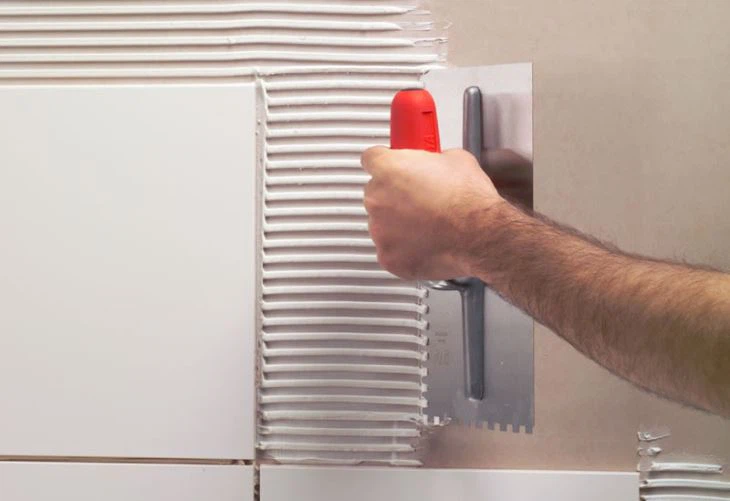
HPMC is a high-performance material that can withstand extreme temperatures and weather conditions, making it an ideal choice for construction projects in challenging environments. HPMC is also resistant to water, chemicals, and UV radiation, ensuring that it maintains its strength and stability over time. This reliability makes HPMC a valuable building material that can withstand the rigors of construction and provide long-lasting performance.
Application of Building Grade HPMC
Mortar and cement
HPMC is commonly used as an additive in mortar and cement formulations. It enhances the workability of mortar, improves water retention, and reduces sagging and slumping. HPMC ensures better adhesion between mortar and substrates, enhances bond strength, and improves crack resistance. It also helps in achieving consistent and uniform finishes.
Tile adhesives and grouts
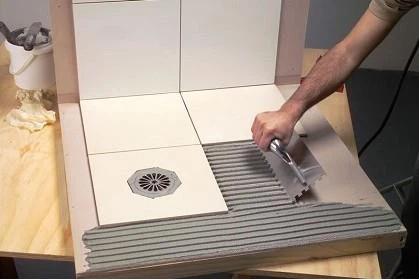
HPMC is employed in tile adhesives and grouts to enhance their performance. It improves the adhesion properties of tile adhesives, allowing for better bonding between tiles and substrates. HPMC also enhances the workability of grouts, making them easier to apply and preventing shrinkage cracks. It contributes to the overall durability and aesthetics of tile installations.
Exterior insulation and finish systems (EIFS)
EIFS is a popular system used for exterior wall insulation and finishing. HPMC is added to the EIFS coatings to enhance their performance. It improves the adhesion of the coatings to the substrate, ensures better workability during application, and provides resistance against cracking and weathering. HPMC helps in achieving a durable and visually appealing exterior finish.
Gypsum products
In gypsum-based products like plasters, joint compounds, and gypsum boards, HPMC acts as a crucial additive. It enhances the workability and spreadability of gypsum compounds, allowing for easier application and improved surface finish. HPMC also contributes to the overall strength and crack resistance of gypsum products.
Renders and stucco
Renders and stucco are applied to exterior walls as protective and decorative coatings. HPMC is used in these formulations to improve workability, prevent sagging, and enhance adhesion. It contributes to the overall durability, weather resistance, and aesthetic appeal of renders and stucco finishes.
Waterproofing membranes and coatings
HPMC is incorporated into waterproofing membranes and coatings to improve their water resistance and adhesion properties. It enhances the flexibility and elongation characteristics of these materials, ensuring long-lasting protection against water infiltration. HPMC also contributes to the durability and crack resistance of waterproofing systems.
Building grade HPMC differs from other cellulose ethers in its degree of substitution and the ratio of methyl to hydroxypropyl groups. Methylcellulose (MC) has a lower DS than HPMC, which makes it less hydrophilic and less soluble in water. MC also forms weaker gels than HPMC due to the lower ratio of hydroxypropyl groups. Ethylcellulose (EC) has a higher DS than HPMC, which makes it more hydrophobic and less soluble in water. EC is used as a coating material in the pharmaceutical industry due to its good film-forming properties.
How The Chemical Structure Affects Building Grade HPMC Performance
The building grade HPMC chemical structure affects its performance in various ways. The degree of substitution affects the solubility, gelation temperature, and viscosity of HPMC. A higher DS results in a more hydrophilic polymer, which increases its solubility in water. It also reduces the gelation temperature of HPMC, making it easier to form gels.
The molecular weight of HPMC also affects its performance. A higher molecular weight results in a more viscous polymer with better water retention properties. It also increases the mucoadhesive properties of HPMC, which enhances drug absorption and bioavailability.
The ratio of methyl to hydroxypropyl groups in HPMC affects its gelation properties. A higher ratio of methyl to hydroxypropyl groups results in a faster gelation rate and a harder gel.
Building grade HPMC is a semi-synthetic polymer derived from cellulose. It is made by treating cellulose with an alkali solution to form alkali cellulose. The alkali cellulose is then reacted with methyl chloride and propylene oxide to form HPMC. The HPMC chemical structure is complex, but it can be simplified as a cellulose backbone with methyl and hydroxypropyl substituents.
How to Store Building Grade HPMC
Sealed containers
Store building grade hydroxypropyl methyl cellulose (HPMC) in tightly sealed containers to prevent exposure to moisture, which can affect its performance and consistency.
Dry environment
Keep building grade HPMC in a dry environment away from direct sunlight, heat sources, and humidity, as moisture can lead to clumping or degradation of the product.
Cool temperature
Maintain a cool, stable temperature for storage, preferably between 15°C to 25°C (59°F to 77°F), to preserve the integrity of the HPMC and prevent potential alterations in its properties.

Avoid freezing
Protect building grade HPMC from freezing temperatures, as freezing can cause irreversible changes in its structure and render it unusable.
Purity: Purity is assessed through techniques such as HPLC (High Performance Liquid Chromatography) to detect impurities and ensure the absence of contaminants that could affect performance or cause adverse reactions.
Particle size analysis: Use techniques such as laser diffraction or dynamic light scattering to determine particle size distribution. Consistent particle size distribution ensures uniform dispersion and performance.
Thermal analysis: Use techniques such as DSC (Differential Scanning Calorimetry) to determine the gelling temperature of HPMC solutions. Consistency in gel temperature ensures predictable performance under varying conditions.
PH measurement: Measure the pH of the HPMC solution to ensure it is within the specified range. pH affects compatibility with other materials and overall performance.
Tensile strength: The tensile strength of an HPMC film or fiber is evaluated as a measure of its mechanical integrity and suitability for applications requiring structural support.
Adhesion testing: Evaluate the adhesion of HPMC based formulations to different substrates commonly found in construction applications, such as concrete, wood, or metal.
Water retention: The water retention capacity of HPMC is evaluated to assess its effectiveness in preventing premature drying and ensuring proper hydration of the cementitious material.
Compatibility testing: Evaluate HPMC compatibility with other additives commonly used in building materials to ensure compatibility and avoid adverse interactions that could compromise performance.
Certifications


Video
Our Factory
Our company is an enterprise in the integration of scientific research, production, testing and sales, who has passed ISO9001, ISO14001, ISO22000 and SGS Halal and Kosher certificate and other international certification system. My company has a set of testing equipments, a sound testing laboratories, microbial culture laboratory, the value of millions of ICP trace elements detection equipment readily available.


FAQ
Changzhou Guoyu Environmental S&T Co.,Ltd is a China building grade hpmc manufacturer, we have our own factory, which can serve you high-purity and food-grade building grade hpmc at cheap price.
hpmc for building expansion joints, glazing agent, cosmetic industry