


We believe in long expression and trusted relationship for Detergent CMC, CMC Oil drilling, Oil drilling PAC. The principle of 'quality leadership' runs through the whole business chain of product development, production, sales and after-sales service. Are you ready? ? ? Let us go!!!
1. Sodium Carboxymethyl Cellulose(CMC) for Food Industry
Sodium Carboxymethyl Cellulosefor Painting Industry.As protective colloid, Sodium Carboxymethyl Cellulose will heighten stability of emulsion polymerization system to evenly scatter the additive of pigment and filler, etc. Into painting so as to impart it will good pigment adhesion effect. Sodium Carboxymethyl Cellulose can evidently improve the viscosity of painting latex, anti-splash and sag resistance of painting in order for enhancing the workability of painting.

2. Commodity Name: Sodium Carboxymethyl cellulose
CAS No.: 【9004-32-4】
E No.: 【E466】
Molecular formula :[C6H7O2(OH)2OCH2COONa]n
Synonyms: Carboxymethyl Cellulose, Carboxy Methyl Cellulose, CMC, Sodium CMC, Na-CMC
HS Code: 39123100
3. Description
Sodium Carboxymethyl Cellulose is a cellulose derivative with carboxymethyl groups bound to some of the hydroxyl groups of the glucopyranose monomers that make up the cellulose backbone. It is often used as its sodium salt, sodium carboxymethyl cellulose.
4. Properties
"YUYU" CMC is a kind of ionic water soluble cellulose ether and has the following excellent performance in the coating:
(1) Water soluble:able to be dissolved in hot water or cold water with simple stirring equipment;
(2) Extremely low ash content, quite stable and good in dispersion as emulsion thickener, able to improve coating leveling property and sparkling and sagging resistance, thus improving construction performance of the coating;
(3) Good compatibility, able to be compatible with water soluble gum, softener and resin;
(4) No pharmacological function, nontoxic, harmless to physical body;
(5) Well-distributed replacing base, strong anti-bacterium effect.
5.Products
1) Low viscosity permeation type
Recommended models: FH6-1, FH6-2
Viscosity range: 10-200
DS Value: 0.65-0.85
Key features: Low molecular weight, excellent solution flowability, rapid fiber penetration, and uniform dye diffusion
Typical applications: Penetration printing: For heavy fabrics (towels, carpets) to ensure color consistency on both sides; Inkjet printing pretreatment: As a pretreatment sizing agent to enhance inkjet printing clarity and penetration

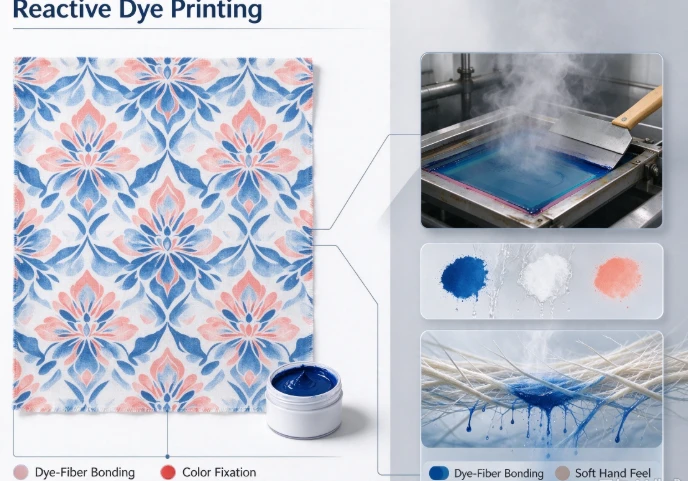
2) Medium and low viscosity reactive printing type
Recommended models: FVH6-1 and FVH6-2
Viscosity range: 500-1,500
DS value: 0.65-0.85
Key features: High paste formation rate, excellent leveling performance, good compatibility with reactive dyes, high color yield, and easy paste removal
Typical application scenarios: Reactive dye printing for cellulose fibers such as cotton, linen, and viscose, delivering clear contours and vibrant colors
3) Medium viscosity general printing type
Recommended models: FVH6-3 and FVH6-4
Viscosity range: 1,500-3,000
DS Value: 0.65-0.85
Key features: Exceptional overall performance with excellent water retention, rheological properties, and anti-sticking performance, making it widely applicable
Typical applications: Disperse dye printing: For printing on polyester and other synthetic fiber fabrics; Coating printing: When used with adhesives, it delivers superior printing results and a smooth texture

4) High viscosity fine printing type
Recommended models: FVH6-5, FVH6-6
Viscosity range: 3,000-5,000
DS value: 0.65-0.85
Key features: Exceptional water retention; viscosity reduction under high shear stress facilitates web penetration, with rapid recovery after static to prevent bleeding
Typical applications: Fine pattern printing – ensures sharp, clear lines on high-count, high-density fabrics and genuine silk satin, preventing bleeding

5) High-capacity water-carrying round net/flat net
Recommended models: FVH6-7, FVH6-8
Viscosity range: 5,000-7,000
DS Value: 0.65-0.85
Key features: Exceptional water retention, preventing screen clogging and color variations caused by rapid evaporation during large-area printing
Typical applications: Round screen printing and flat screen printing for large-area patterns and solid-color designs, reducing screen clogging frequency and improving production efficiency

6) High substitution low reactivity
Recommended models: FVH9-2, FVH9-3
Viscosity range: 800-2,000
DS value: ≥0.90
Key characteristics: A higher DS value indicates more hydroxyl groups being substituted, reducing the likelihood of reactive dye interactions and ensuring more thorough de-staining
Typical application scenarios: High-precision reactive dye printing: Minimizes covalent bonding between CMC and reactive dyes, prevents "staining from paste," and enhances washability and softness

7) High viscosity type with high degree of substitution
Recommended models: FVH9-5 and FVH9-6
Viscosity range: 3,500-5,000
DS value:≥0.90
Key characteristics: High DS value + high viscosity, combining low reactivity and strong water retention, ideal for high-quality printed products
Typical applications: Premium silk printing and high-count cotton printing, ensuring high color yield, soft texture, and clear contours

8) Watercolor/ gouache paint exclusive
Recommended Model: (Derivative) Paint-WC 3000
Viscosity Range: 2,500-3,500
DS Value: 0.65-0.85
Key Features: Serves as a thickener and stabilizer, providing moderate rheological properties that enable easy pigment dipping and application while preventing delamination
Typical Applications: Tube watercolor paints and bottle watercolor powders: Maintains optimal paste consistency, resists drying upon opening, and ensures smooth, seamless application

9) Propylene paint for special use
Recommended Model: (Derivative) Paint-AC 4000
Viscosity Range: 3,500-5,000
DS Value: 0.65-0.85
Key Features: Excellent compatibility with acrylic emulsions, provides thickening and leveling effects without compromising film water resistance
Typical Applications: Student/Artist-grade acrylic paints: Adjusts paint viscosity, prevents splashing, and enhances painting experience

10) For textile pigments only
Recommended Model: (Derivative) Paint-TX 2000
Viscosity Range: 1,500-2,500
DS Value: 0.65-0.85
Key Features: Serves as a thickener and dispersant in textile pigments, preventing pigment bleeding on fabrics and ensuring clear hand-drawn lines
Typical Applications: Hand-drawn textile pigments, DIY t-shirt pigments. Pigment: Maintains pigment shape on fabrics without diffusion, ensuring easy control

11) High Transparency Painting Grade
Recommended Model: (Derivative) Paint-Trans 1500
Viscosity Range: 1,000-2,000
DS Value: ≥0.90
Key Features: High DS value + refined process, producing completely transparent and colorless solution with no residue after drying, preserving the pigment's natural color
Typical Applications: Transparent watercolor, white glue, artist-grade materials: Professional art paints with extreme transparency requirements

12) For low-viscosity spray painting materials
Recommended model: (Derivative) Paint-Spray 500
Viscosity range: 300-800
DS Value: 0.65-0.85
Key features: Low-viscosity design for easy spray gun atomization, with moderate rheological properties to prevent dripping during spraying
Typical applications: Spray painting materials and spray gun paints for artistic spray painting and model coating, ensuring uniform atomization and preventing nozzle clogging

13) Anti-mold paint materials
Recommended Model: (Derivative) Paint-MR 3000
Viscosity Range: 2,500-3,500
DS Value: 0.65-0.85
Key Features: Mold-resistant treatment for conventional products to prevent mold formation during long-term storage of tube paints
Typical Applications: Student-grade art supplies, long-term storage of painting paints: Extends paint shelf life, ideal for sales in warm and humid regions

14) Instantly soluble, for printing and dyeing use only
Recommended Model: (Derived) Print-Instant 4000
Viscosity Range: 3,500-5,000
DS Value: 0.65-0.85
Key features: Surface-treated for rapid dispersion and dissolution in cold water, requiring no prolonged stirring or heating
Typical application: Modern dyeing workshops – simply add cold water and stir for immediate use, saving energy and time while boosting production efficiency

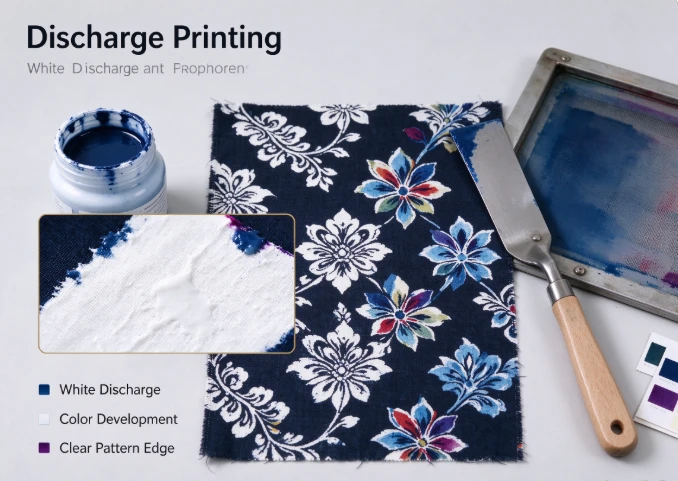
15) Dyeing and printing special
Recommended model: (Derived) Print-Discharge 3000
Viscosity range: 2,500-3,500
DS Value: ≥0.90
Key features: Stabilizes in strong reducing agents without degradation or loss of efficacy. Ideal for pull-dye printing applications
Typical use: Pull-dye printing: For white removal or color pull-dye printing on dark ground fabrics, ensuring clear floral patterns
6. Package
Packing:25kg kraft paper bag, or other packing as clients request.
7. Storage
1.Store in a cool, dry, clean, ventilated environment.
2.The product for pharmaceutical and food grade should not be put together with toxic substance and harmful substance or substance with peculiar smell during transportation and storage.
3. Since the date of production, a preservation period should not exceed 2 year.
4. The products should be prevented from water and package bag damaging during transportation.
8. Certificate for Kosher, HALAL, ISO9001, ISO14001 and so on.

We can provide detailed test indicators for each product model. If you need this, please contact us!
With the enterprise spirit of 'exploitation and innovation, truth-seeking, pragmatic, unity and hard work, striving to be first-class', our company is constantly forging ahead, striving to develop and grow in the fierce market competition and become a leader in the Good Stability Cellulose Ethers (HEC / HPMC / MHEC / CMC) industry. We have got a professional engineering group to serve for your just about every detailed needs. We sincerely welcome new and old customers to establish long-term good cooperative relations with our company with satisfactory and thoughtful service, and seek a win-win situation and common development!