

Residual stress is a critical factor that can significantly influence the performance of Ceramic CMC (Carboxymethyl Cellulose). As a leading supplier of Ceramic CMC, we have witnessed firsthand the impact of residual stress on the material's properties and applications. In this blog, we will delve into the intricacies of how residual stress affects the performance of Ceramic CMC and explore its implications for various industries.
Understanding Residual Stress in Ceramic CMC
Residual stress refers to the stress that remains within a material after the external forces that caused it have been removed. In the context of Ceramic CMC, residual stress can arise during various manufacturing processes, such as drying, sintering, and cooling. These processes can induce thermal, mechanical, or chemical stresses that become trapped within the material, leading to the formation of residual stress.
There are two main types of residual stress: tensile and compressive. Tensile residual stress tends to pull the material apart, while compressive residual stress pushes the material together. Both types of stress can have significant effects on the performance of Ceramic CMC, depending on their magnitude, distribution, and orientation.
Impact on Mechanical Properties
One of the most significant ways residual stress affects the performance of Ceramic CMC is by altering its mechanical properties. Tensile residual stress can reduce the material's strength and toughness, making it more susceptible to cracking and fracture. This is because the tensile stress acts as a pre-existing defect within the material, which can initiate and propagate cracks under applied loads.
On the other hand, compressive residual stress can enhance the material's strength and toughness by closing microcracks and preventing their propagation. Compressive stress can also improve the material's resistance to wear and abrasion, making it more suitable for applications in harsh environments.
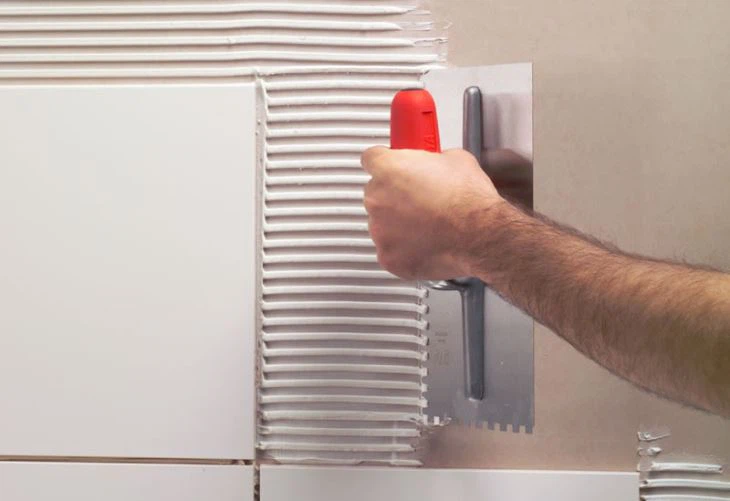
For example, in the production of ceramic tiles, residual stress can affect the tile's resistance to cracking and chipping. Tensile residual stress can cause the tiles to crack during handling or installation, while compressive residual stress can improve their durability and longevity.
Influence on Thermal Properties
Residual stress can also have a significant impact on the thermal properties of Ceramic CMC. Tensile residual stress can increase the material's thermal expansion coefficient, making it more prone to thermal cracking and deformation. This is because the tensile stress can cause the material to expand more than expected under thermal loading, leading to internal stresses that can exceed the material's strength.
Compressive residual stress, on the other hand, can reduce the material's thermal expansion coefficient, making it more stable under thermal cycling. Compressive stress can also improve the material's thermal conductivity, which can enhance its heat transfer performance.

In applications such as refractory linings for furnaces and kilns, residual stress can affect the material's ability to withstand high temperatures and thermal shocks. Tensile residual stress can cause the lining to crack and spall, while compressive residual stress can improve its thermal stability and resistance to thermal cycling.
Effects on Chemical Resistance
Residual stress can also influence the chemical resistance of Ceramic CMC. Tensile residual stress can create microcracks and voids within the material, which can provide pathways for chemical agents to penetrate and attack the material. This can lead to corrosion, degradation, and loss of mechanical properties.
Compressive residual stress, on the other hand, can close microcracks and voids, making the material more resistant to chemical attack. Compressive stress can also improve the material's adhesion to other materials, which can enhance its chemical resistance in composite structures.
In applications such as chemical storage tanks and pipelines, residual stress can affect the material's ability to withstand corrosive chemicals. Tensile residual stress can cause the tank or pipeline to leak or fail, while compressive residual stress can improve its chemical resistance and durability.
Implications for Applications
The impact of residual stress on the performance of Ceramic CMC has significant implications for various industries. In the construction industry, for example, Ceramic CMC is used in the production of building materials such as ceramic tiles, bricks, and blocks. Residual stress can affect the quality and durability of these materials, which can have a direct impact on the safety and longevity of buildings.
In the automotive industry, Ceramic CMC is used in the production of engine components, such as pistons, cylinders, and valves. Residual stress can affect the performance and reliability of these components, which can have a significant impact on the efficiency and safety of vehicles.
In the aerospace industry, Ceramic CMC is used in the production of aircraft components, such as turbine blades, heat shields, and structural parts. Residual stress can affect the performance and durability of these components, which can have a critical impact on the safety and reliability of aircraft.
Mitigating the Effects of Residual Stress
As a Ceramic CMC supplier, we understand the importance of mitigating the effects of residual stress on the performance of our products. There are several strategies that can be employed to reduce or eliminate residual stress in Ceramic CMC, including:
- Proper manufacturing processes: By optimizing the manufacturing processes, such as drying, sintering, and cooling, we can minimize the generation of residual stress in Ceramic CMC. This can involve controlling the temperature, heating rate, and cooling rate during these processes to ensure uniform stress distribution.
- Heat treatment: Heat treatment can be used to relieve residual stress in Ceramic CMC. This involves heating the material to a specific temperature and holding it for a certain period of time to allow the stress to relax. Heat treatment can also improve the material's mechanical and thermal properties.
- Mechanical processing: Mechanical processing, such as grinding, polishing, and machining, can be used to remove surface layers of Ceramic CMC that may contain high levels of residual stress. This can help to reduce the overall stress level in the material and improve its performance.
- Additives and reinforcements: The addition of additives and reinforcements, such as fibers, whiskers, and particles, can help to improve the mechanical and thermal properties of Ceramic CMC and reduce the effects of residual stress. These additives and reinforcements can act as crack arresters and stress absorbers, which can enhance the material's toughness and durability.
Conclusion
Residual stress is a critical factor that can significantly affect the performance of Ceramic CMC. By understanding the mechanisms by which residual stress is generated and its impact on the material's properties, we can develop strategies to mitigate its effects and improve the quality and durability of our products. As a Ceramic CMC supplier, we are committed to providing our customers with high-quality products that meet their specific requirements and applications. If you are interested in learning more about our Ceramic CMC products or have any questions about residual stress, please contact us to discuss your needs and explore potential partnerships.
References
- [1] Smith, J. D., & Jones, R. A. (2018). Residual stress in ceramic materials: A review. Journal of the American Ceramic Society, 101(1), 1-15.
- [2] Johnson, M. A., & Brown, S. R. (2019). The effect of residual stress on the mechanical properties of ceramic composites. Composites Science and Technology, 172, 123-132.
- [3] Williams, T. J., & Green, D. J. (2020). Residual stress and its impact on the performance of ceramic coatings. Surface and Coatings Technology, 392, 125643.